A bionic tree tower, also known as an artificial tree tower, is an innovative structure designed to replicate the look of natural trees while serving critical infrastructure purposes. Unlike traditional towers that often stand out visually, this tower blends seamlessly into landscapes, making it a preferred choice for areas where aesthetic harmony and functionality are both priorities.
Tree-Like Appearance: It features artificial trunks, branches, and even leaves made from durable materials like fiberglass or high-strength plastics, closely resembling real trees in shape, color, and texture.
Modular Construction: The tower is built with modular components, allowing customization in height (typically 5m to 30m) and “tree species” to match local flora, such as pine, palm, or oak trees.
Integrated Functionality: Equipped with hidden platforms, antenna mounts, and cable management systems to support telecommunications equipment (5G/4G antennas, microwave devices), environmental sensors, or even small wind/solar energy harvesters.
Primary Materials: High-quality fiberglass, UV-resistant plastics, and galvanized steel for the internal support structure, ensuring both durability and corrosion resistance.
Manufacturing Compliance: Follows industry standards like ASTM D256 for impact resistance of plastic components and ISO 1461 for galvanization, guaranteeing long-term performance in outdoor conditions.
Aesthetic Details: Leaves and branches are designed to withstand extreme weather (high winds, heavy snow) and maintain colorfastness for years, using advanced pigmentation techniques.
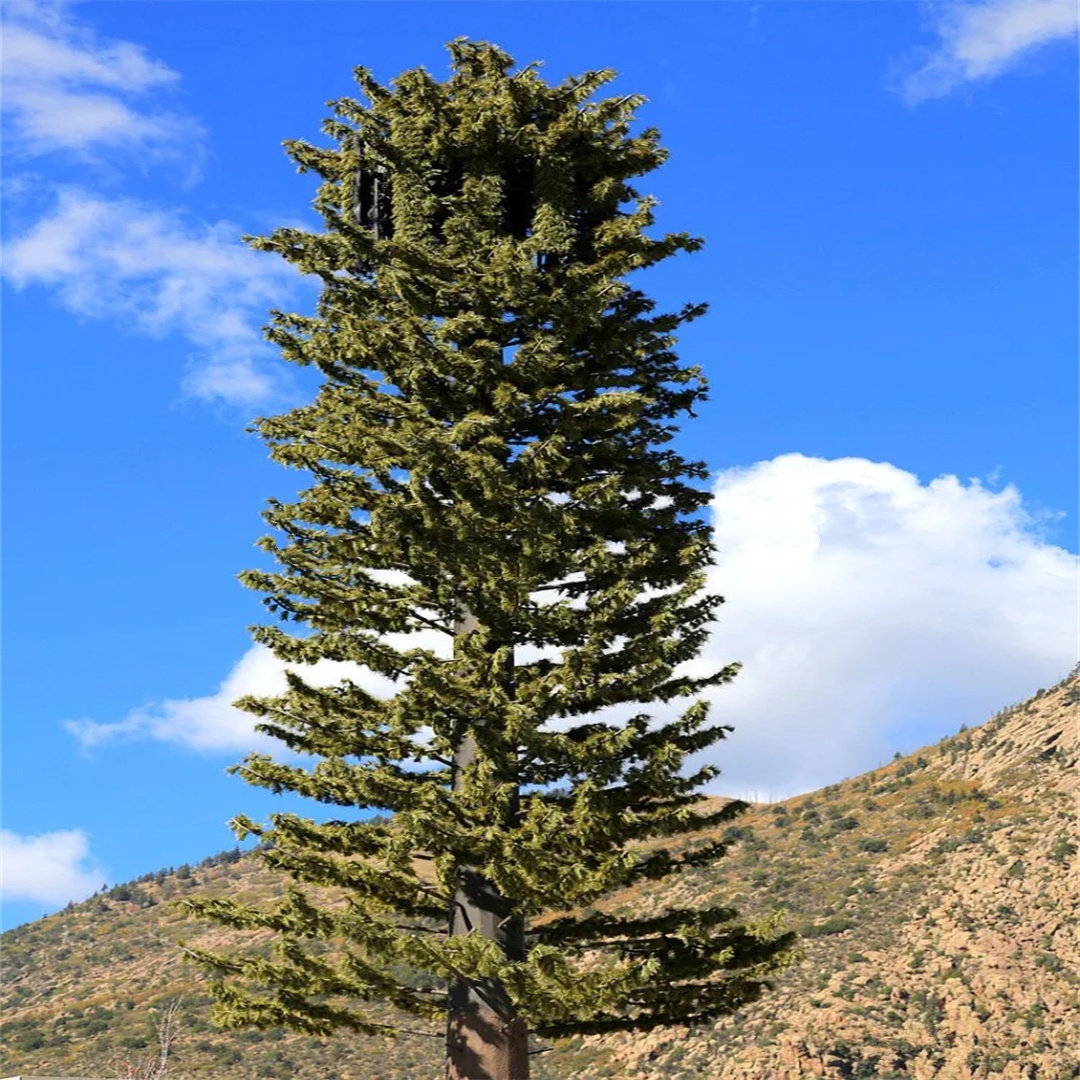
Communication Monopole Tower Bionic Pine Camouflaged Trees Telecommunication Tower
Telecommunications: Deployed in scenic areas, residential neighborhoods, or eco-tourism zones where traditional towers would be visually intrusive, supporting mobile networks and broadband services.
Environmental Monitoring: Hosts sensors for air quality, noise, or wildlife tracking, providing data without disrupting the natural habitat’s visual appeal.
Renewable Energy Integration: Some models integrate small wind turbines in “branches” or solar panels in “canopies” to generate renewable energy for on-site equipment or grid supply.
Urban & Landscape Design: Used as decorative yet functional elements in city parks, resorts, or historical districts, enhancing visual aesthetics while fulfilling infrastructure needs.
Aesthetic Integration: Eliminates visual pollution, making it acceptable in areas with strict landscape regulations (e.g., national parks, heritage sites).
Reduced Public Resistance: Communities are less likely to oppose its installation compared to traditional towers, speeding up project approvals.
Wildlife-Friendly: The tree-like structure can even provide perches or nesting spots for birds, minimizing ecological disruption.
Long Lifespan: With proper maintenance, a bionic tree tower can operate for 20–25 years, matching or exceeding the service life of conventional towers.
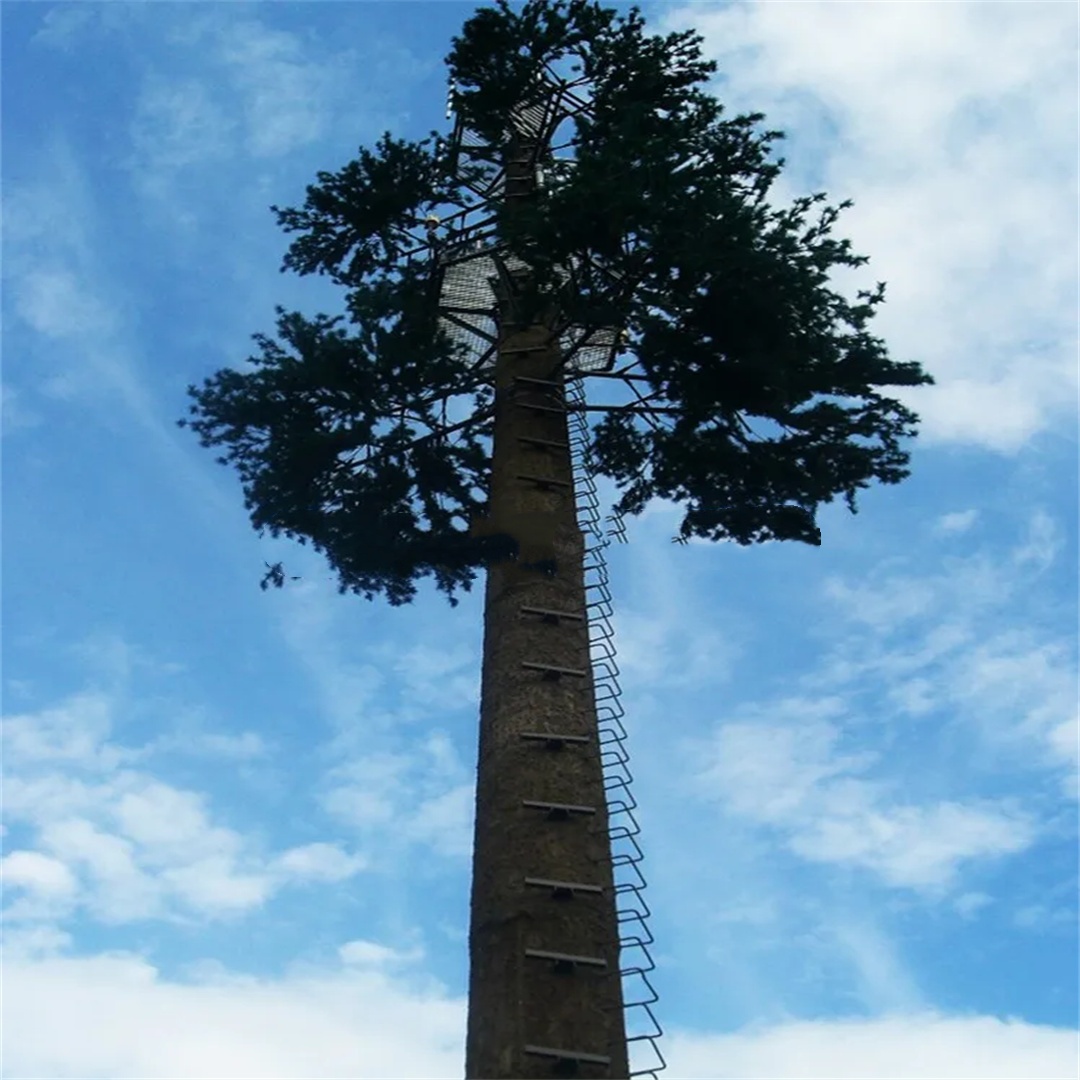
Jiayao Wholesaler equal telecom bonic tree tower
Site Assessment: Conduct thorough surveys to ensure the chosen “tree species” and height align with local ecosystem and infrastructure needs.
Professional Installation: Requires teams skilled in both structural engineering and aesthetic detailing to ensure the tower looks natural and functions safely.
Routine Checks: Inspect artificial foliage for wear, check the internal steel structure for corrosion, and verify equipment mounts periodically to maintain performance.
As cities and landscapes increasingly value both functionality and beauty, the bionic tree tower emerges as a smart solution, proving that infrastructure can coexist harmoniously with nature and human aesthetics. Its unique blend of form and function makes it a standout choice in modern telecom and environmental projects.


Comments
Post a Comment