What is a Guyed Mast Tower?
- Get link
- X
- Other Apps
A guyed mast tower (also called a guyed tower) is a tall, slender structure that relies on external guy wires (high-strength steel cables) for stability—unlike self-supporting towers that stand independently. This design lets it reach greater heights with less structural material, making it a cost-effective choice for applications needing extensive coverage or elevation.
Core Structural & Design Features
Slender Tower Body: Built as a tubular or lattice steel structure (narrower than self-supporting towers), with a tapered shape to optimize load distribution.
Guy Wire System: Multiple sets of steel cables attach to the mast at 20–30m intervals, anchored to the ground at 45–60° angles to resist wind/seismic forces.
Height Range: Extends from 30m to over 200m (taller than most self-supporting towers), customizable for specific needs.
Accessories: Includes climbing ladders, antenna mounts, cable trays, and aviation warning lights (for heights >60m).
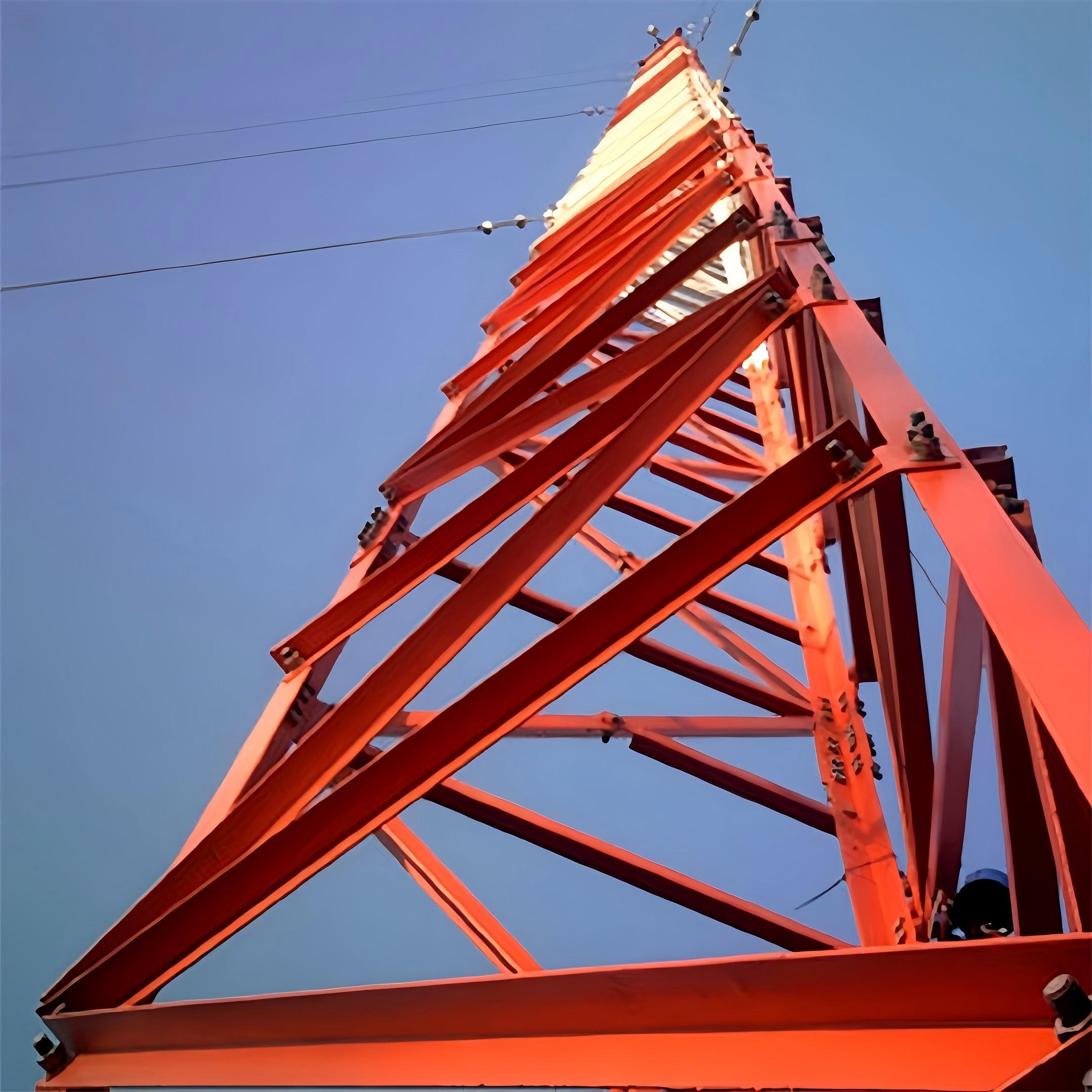
Guy Rope Cell Tower High Strength Steel 35m Mobile Network Suburban Zones Wind Resistant
Key Materials & Standards
Tower Body: Galvanized structural steel (ASTM A36/S235JR) for corrosion resistance and strength.
Guy Wires: High-tensile steel cables (ASTM A475) with zinc/polymer coatings for durability.
Anchors: Heavy-duty concrete/steel anchors to secure wires, designed for tension loads.
Compliance: Follows IEC 62305 (lightning protection) and local building safety codes.
Primary Application Scenarios
Broadcasting/Telecom: Supports TV/radio antennas and long-distance microwave transmitters (maximizes signal coverage via height).
Meteorological Monitoring: Hosts weather sensors/radar at high elevations for accurate atmospheric data.
Aviation Navigation: Mounts aviation beacons in remote areas (mountains, coasts).
Scientific Research: Deploys atmospheric instruments (ozone monitors) above ground interference.
Advantages & Considerations
Cost Efficiency: Uses less steel than self-supporting towers, cutting material/manufacturing costs.
Height Capability: Reaches >200m (ideal for long-range transmission).
Installation Flexibility: Modular parts simplify transport/assembly in remote locations.
Space Requirement: Needs a large ground footprint (2–3x mast height in diameter) — poor for urban areas.
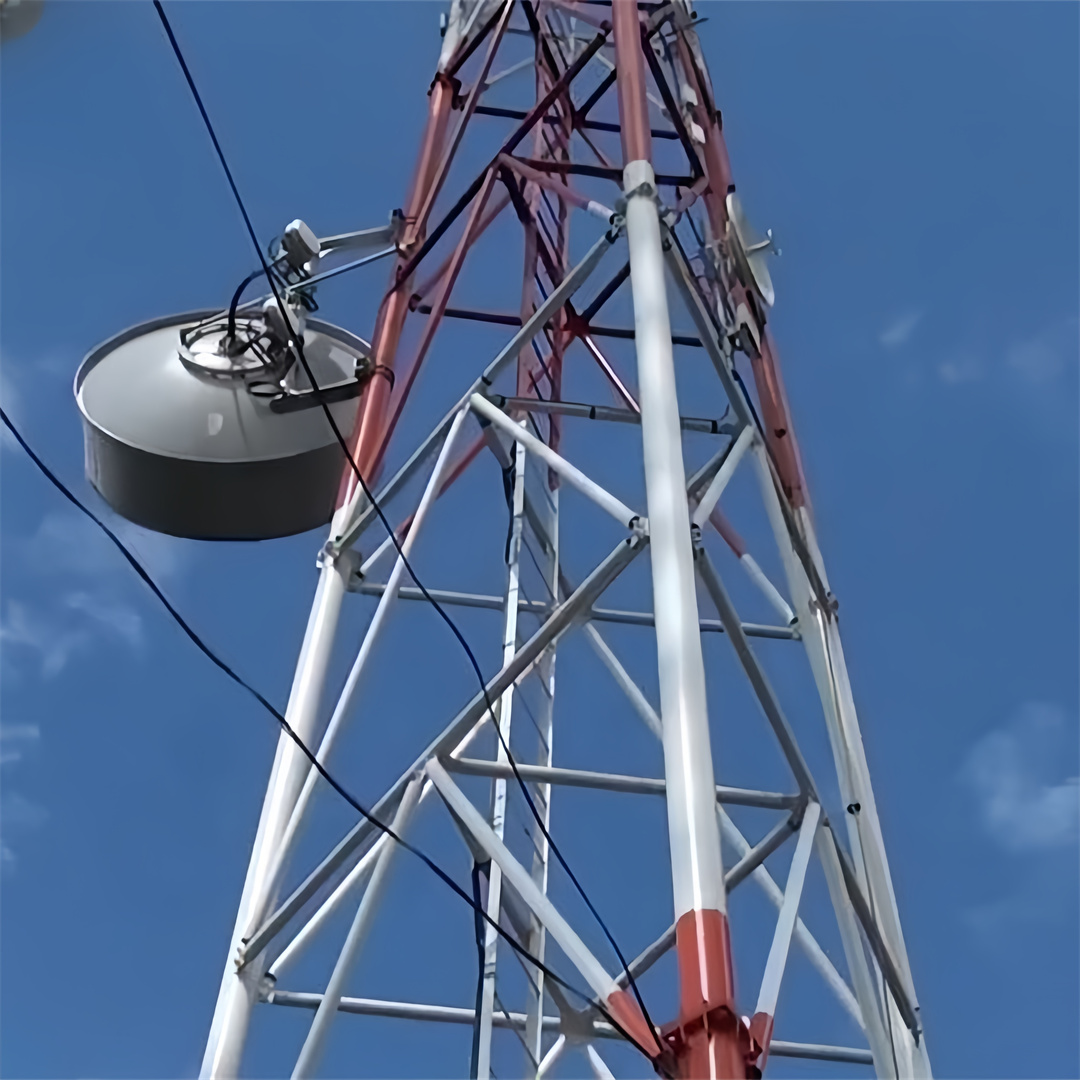
Hot Dip Galvanized Guyed Wire 3 Legged Steel Pipe structure Telecommunication Tower
Maintenance Guidelines
Inspect guy wire tension and tower corrosion every 6–12 months.
Verify anchor stability against soil erosion/ground movement.
Replace worn guy wires every 10–15 years.
Maintain functional aviation warning lights for safety compliance.
- Get link
- X
- Other Apps


Comments
Post a Comment